
VIEWPOINTS – Spring Off-Broadway revivals that brought something fresh to the table: Bedlam’s OTHELLO and Donmar Warehouse’s THE MAIDS
- By drediman
- June 18, 2026
- No Comments
Looking back on this spring, there were two Off-Broadway revivals of classic plays that captured my imagination in fresh new ways that kept the works relevant. Read on for my thoughts on these visceral nights at the theater.
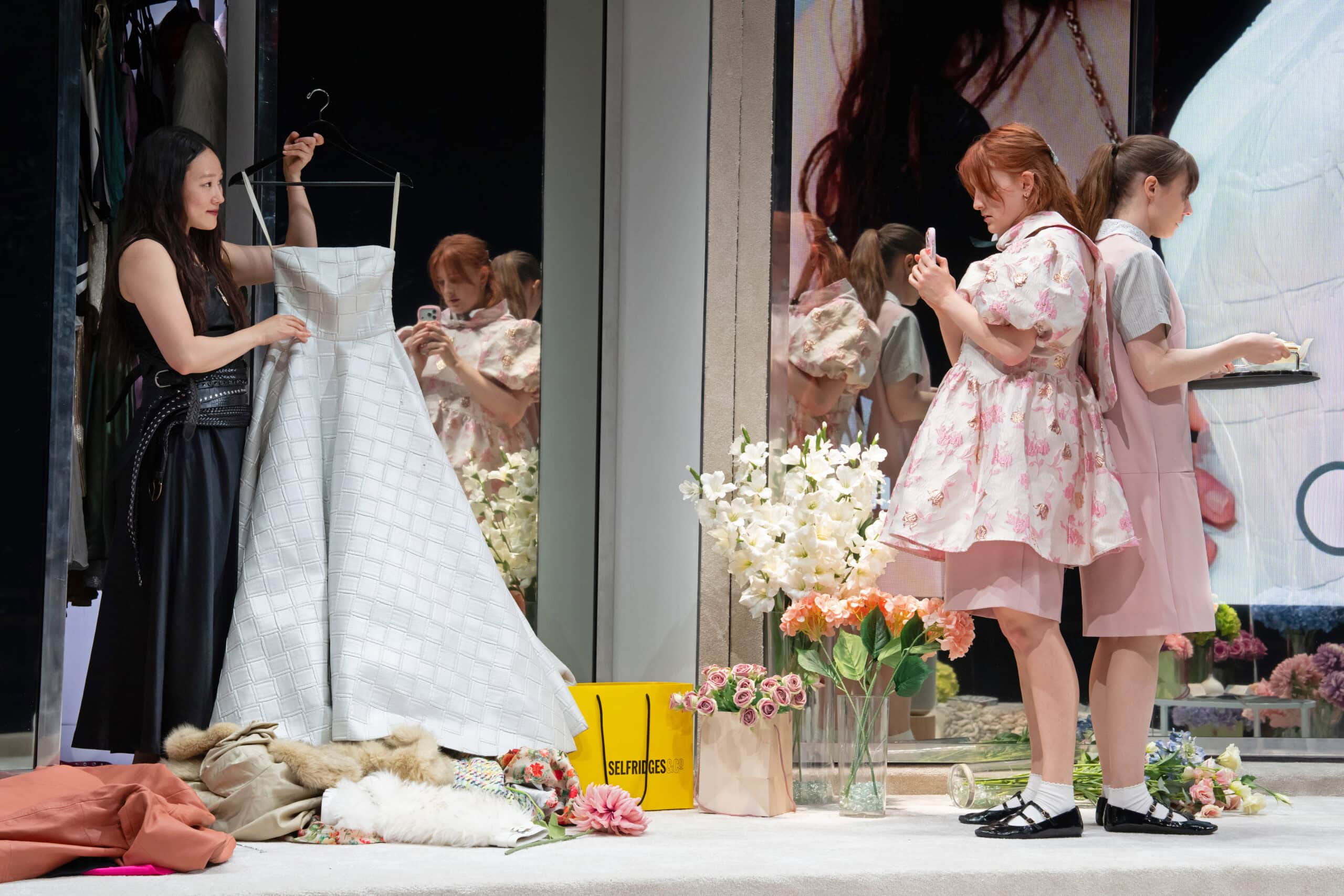
THE MAIDS
Donmar Warehouse at St. Ann’s Warehouse
Closed
Transferring from warehouse to warehouse was Kip Williams’ bold revisal of Jean Genet’s The Maids (HIGHLY RECOMMENDED), which this spring made the move to St. Ann’s Warehouse from London’s small but mighty Donmar Warehouse in Covent Garden. Williams made a notable splash with his video-heavy stage adaptation of Oscar Wilde’s The Picture of Dorian Gray, which was ultimately brought to Broadway winning its star Sarah Snook a deserved Tony Award for her performance (he more recently staged the West End production of Dracula starring Cynthia Erivo). Unsurprisingly, Williams uses similar multimedia techniques in his production of Genet’s absurdist potboiler. But instead of using technology simply as a means of storytelling, the he uses it to change the very fabric of the play, fueling its motivations and social vernacular. You see, this iteration of The Maids is fully immersed in the modern age, taking themes inherent in the work — role-playing, class resentment, and revenge — and infusing them with the implications of the digital age endgame game we are all fast headed towards. It’s a roller-coaster of a ride that boasted a trio of visceral and caustic performances — Yerin Ha as the abrasive and conceited mistress of the house (now a social media influencer), and Phia Saban and Lydia Wilson as her suffocated two maids — that grabbed me with their intensity and bold aggression. Indeed, I thought the revival was stylish and brilliantly observant when I saw it across the pond, and I’m happy to report that still felt the same way. I was particularly struck by Williams’ aggressive incorporation of smartphones and social media and the central role they now plays in the human experience, as well as his highly detailed, carefully choreographed staging. Refreshed and updated, The Maids was a potboiler to remember.
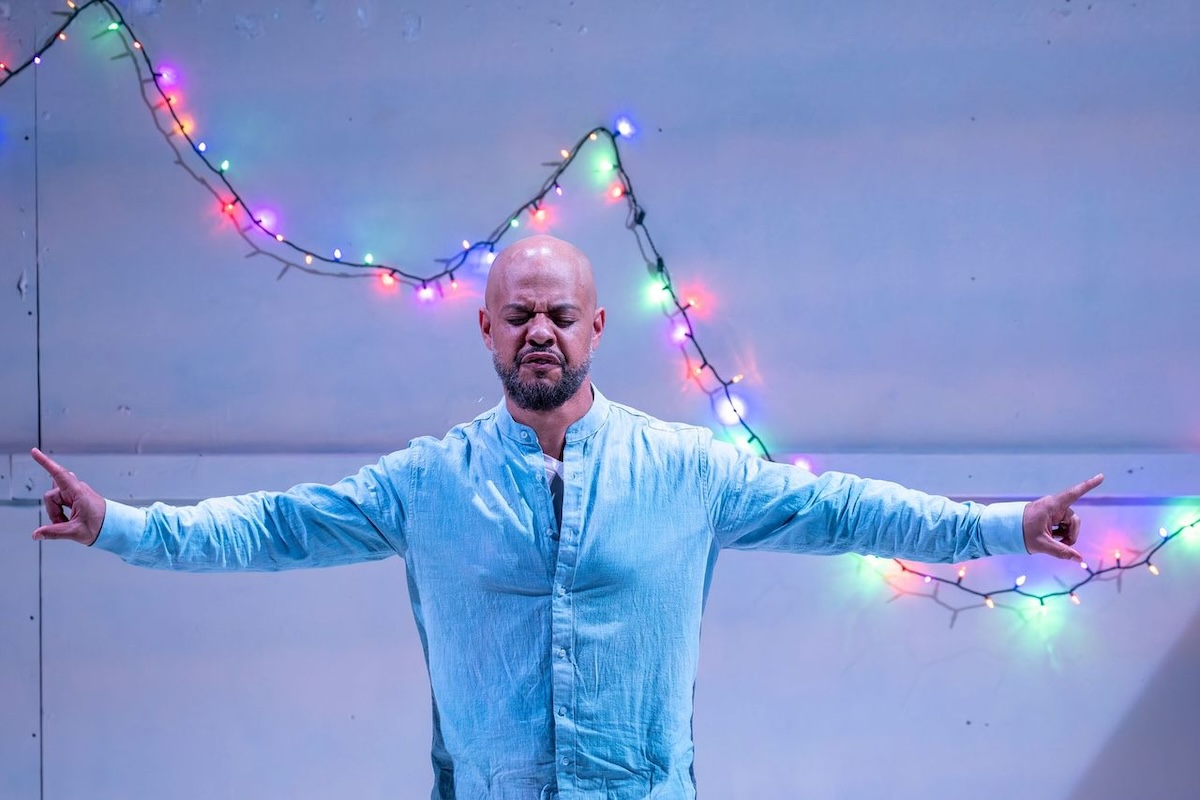
OTHELLO
Bedlam at the West End Theatre
Closed
The folks over at Bedlam have gone back to their roots in the company’s gut-punching revival of Shakespeare’s Othello (HIGHLY RECOMMENDED). Utilizing a cast of only four to portray the play’s multitude of characters — developed by artistic director Eric Tucker, Bedlam’s extreme and distinctively scrappy ensemble-based approach put the company on the map (early successes included Hamlet, St. Joan, and Twelfth Night) — the production is nothing short of tightly-wound, breathlessly-paced theater. Indeed, there’s a sort of athletic quality to Bedlam performances that almost dares its actors to see how far they can push themselves both physically and emotionally. That being said, there’s a kind of focus and intent in the theatrical storytelling that achieves a level of clarity and intimacy that’s completely disarming. As you can imagine, this organic, all-in aesthetic is a thrill to behold, and works particularly well in plays in which stakes are high (as they are in Shakespearean tragedies). Despite the giddy highs Bedlam achieves, a deep respect for the text always lies at the core of it all, which can also be said of the company’s recent Othello at the West End Theatre on the Upper West Side. Comprising the “storytelling machine” this time around were Tucker (Iago, etc.), Ryan Quinn (the title character, etc.), Susannah Hoffman (Desdemona, etc.), and Susannah Millonzi (Emilia, etc.) — company usual suspects who have matured individually into accomplished stage actors over the years. Suffice to say, their performances were fearlessly delivered and their characterizations incisive. And by stripping nearly all of the artifice from the Bard’s play — there’s only minimal use of scenery and props throughout — Bedlam’s Othello highlighted the universality and timelessness of the work’s domestic tragedy to devastating effect.
 Copyright © 2026
Leave a Reply