
VIEWPOINTS – Classical music roundup: Maestro Janowski returns to lead the NY PHILHARMONIC, the great Marin Alsop conducts Beethoven and Marsalis via the PHILADELPHIA ORCHESTRA
- By drediman
- June 1, 2026
- No Comments
Over the past week or so, I had the great pleasure of catching notable performances by the New York Philharmonic at its home base at David Geffen Hall at Lincoln Center and the Philadelphia Orchestra during one of their recent visits at Carnegie Hall. As per usual, read on for my thoughts on these concerts.
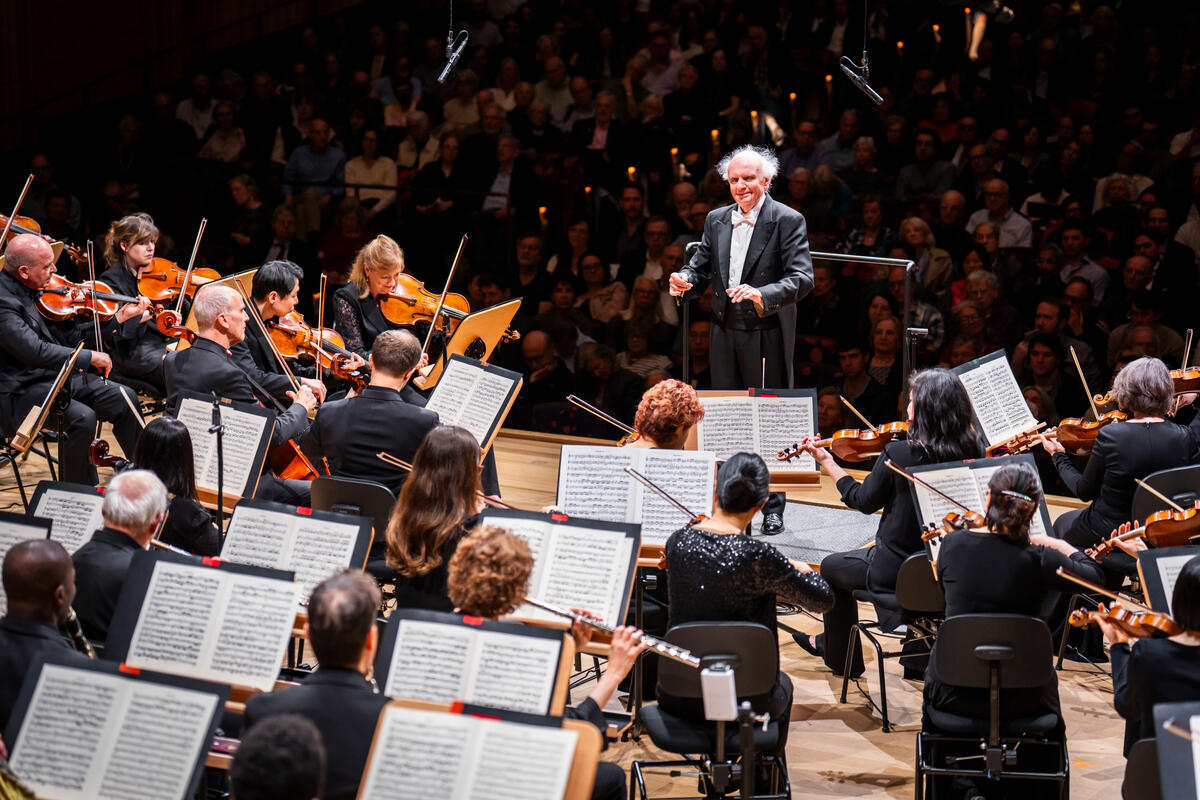
NEW YORK PHILHARMONIC
David Geffen Hall
Only in 2025, Marek Janowski made his long-awaited debut conducting the New York Philharmonic. Last week, the accomplished German maestro returned to lead the New York forces in a satisfying concert (RECOMMENDED) comprised of classical compositions just off the beaten path. The Friday matinee concert I attended commenced with a performance of Mozart’s Serenata notturna, a work that’s structured in three succinct movements (namely, a march, a minuet, and a rondo), making for an ideal palette cleanser. I’m happy to report that the playing was light and buoyant without rushing through the piece. It was a refreshingly unadorned interpretation — with a welcome sense of depth — that thankfully eschewed unnecessary flourishes. The next piece in the program was Haydn’s Trumpet Concerto featuring soloist Christopher Martin, the Principal Trumpet of the Philharmonic. Stately and bright, the performance built upon the straightforward elegance of the Mozart opener. Martin’s playing was at once stylish and clear, lending a sense of completeness to the rendition, as did the Philharmonic’s confident accompaniment. The concert was anchored by the third and final work, Felix Mendelssohn’s Third Symphony, more famously known as the “Scottish” symphony (the work was inspired by the composer’s time spent at the ruins of Holyrood Abbey in Edinburgh). At nearly 45-minutes in length, the Scottish was by far the most substantial of the trio. Janowski’s conducting was beautifully balanced throughout, capturing the romantic flourishes of the symphony without resorting to musical histrionics. Indeed, the ensemble’s playing was eloquent — sufficiently moody without being overly brooding — but never at the expense of maintaining rhythmic forward momentum. The effect was akin to witnessing passing clouds on a restless day, which eventually opened up to the glorious sunlight of the finale.
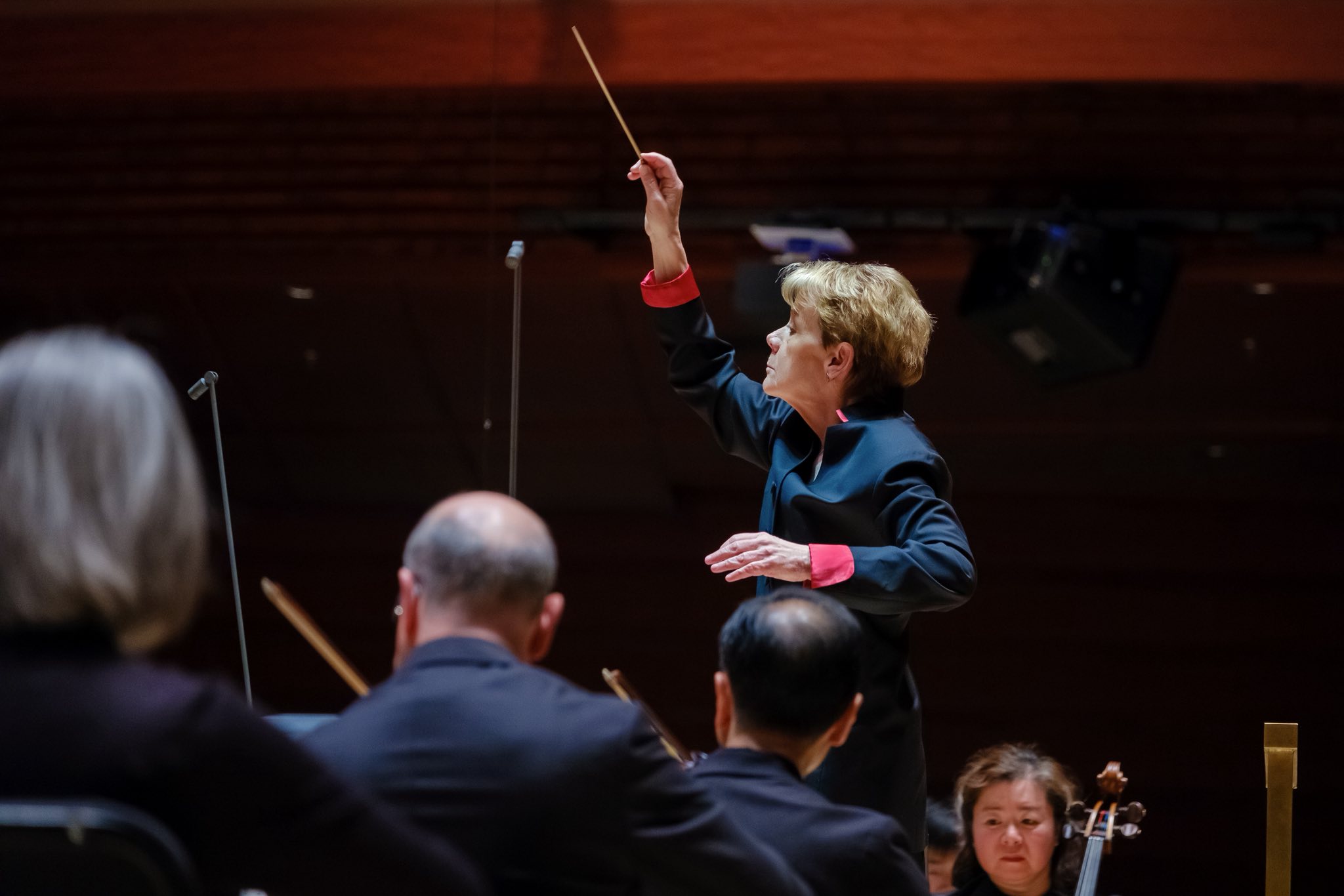
THE PHILADELPHIA ORCHESTRA
Carnegie Hall
Soon thereafter, I was able to take in a one-night-only concert by the Philadelphia Orchestra led by the great Marin Alsop at Carnegie Hall’s storied Stern Auditorium (RECOMMENDED). As one of the planned highlights of Carnegie Hall’s United in Sound: America at 250 festival, the occasion was supposed to have included the debut of legendary jazz music-maker Wynton Marsalis’s Fifth Symphony (the “Liberty”). However, just days before the concert, it was announced that the symphony’s premiere was unfortunately going to have to be postponed. In its place, Marsalis’s Fourth Symphony — otherwise known as “The Jungle” symphony — was programmed to headline the evening. Thankfully, the Jungle is a mighty and accomplished composition (even if only three of the six movements were represented in the interest of time), and its inclusion made the best of the difficult development. Starting things off was Beethoven’s magnificent Seventh Symphony, which Alsop firmly conducted with a grounded and driving hand. Despite the decidedly forceful take, the famed ensemble’s luxuriously rich string sound was in full sonic evidence, which taken together made for a fascinating reading of Beethoven’s iconic piece. For the Jungle, the Philadelphia forces were joined by members of Marsalis’s own Jazz at Lincoln Center Orchestra. Given this instrumentation makeup, it comes as no surprise that the work merges traditional orchestral music and big band, often in inspired and thrilling ways. Indeed, the symphony brilliantly conveys the teeming sounds of New York’s bustling, larger-than-life cityscape through both grand orchestral gestures and jazzy syncopation (the ragtime rhythms of the second movement were particularly irresistible), which Alsop navigated with excitement and verve. Wedged in between these two heavy-hitters was a sort of prologue to Marsalis’s Fourth — a series jazz arrangements performed by the Jazz at Lincoln Center Orchestra before the Philadelphia players joined them for the memorable closer.
 Copyright © 2026
Leave a Reply