
VIEWPOINTS – New opera is alive and well: Gregory Spears’ SLEEPERS AWAKE at Opera Philadelphia and Kaija Saariaho’s INNOCENCE at the Met
- By drediman
- April 28, 2026
- No Comments
And just like that, contemporary opera is alive and well — In an unexpected one-two punch this past weekend, I was able to take in a pair of new opera productions that demonstrated exquisite musical and theatrical craft. Together, they showcased the artistic breath and ongoing possibilities of the genre. As always, read on for my further thoughts.
INNOCENCE
The Metropolitan Opera
In repertory through April 29
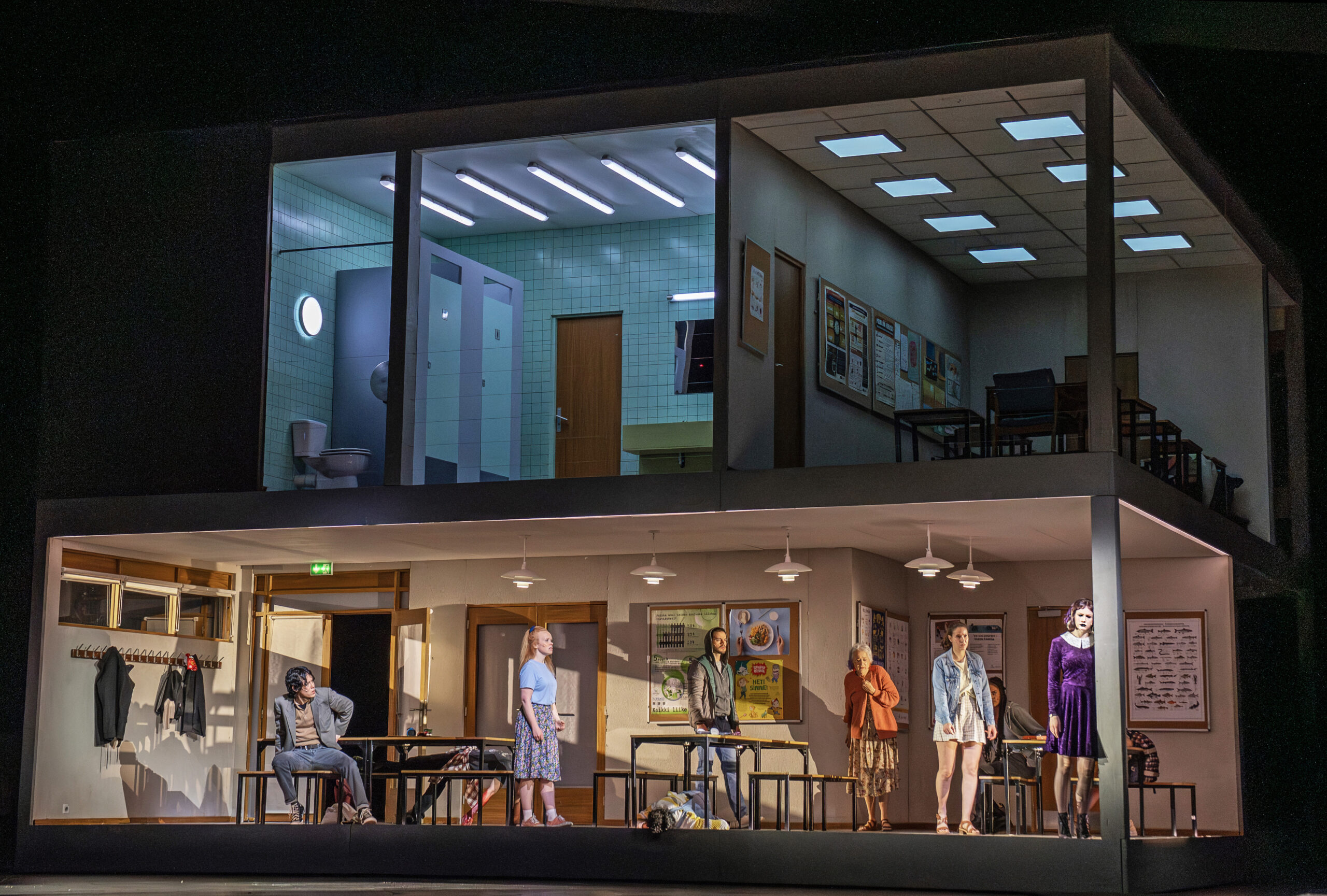
First up is the late Finnish composer Kaija Saariaho’s final opera — the harrowing and brilliant Innocence (HIGHLY RECOMMENDED). First seen in 2021 at the Aix-en-Provence Festival, the work was met with instant acclaim and was proclaimed a masterpiece from the beginning. By taking on a subject matter as serious as a school shooting and dramatizing the lasting psychological impact that such an event can induce in survivors, the piece proves just how relevant opera can be. This spring, the work makes its anticipated Metropolitan Opera premiere, and it’s every bit as shattering as indicated by the word of mouth that preceded its arrival in New York. For Innocence, Saariaho has conjured a hauntingly mysterious and bespoke musical language, one that combines Finnish folk music, expressionistic “sing-song” speech, and traditional operatic writing to convey the fractured emotional realities of the opera’s traumatized characters, who expound their thoughts via a multi-lingual libretto. Over the course of just under two intermission-less hours, the work’s narrative threads come together like a puzzle in an unnervingly clear-eyed manner, seamlessly overlaying the survivors’ present ongoing trauma with the heart-stopping events of the fateful day of the shooting. As meticulously directed by Simon Stone, the depiction of the latter is stylized yet naturalistic enough to viscerally convey its unspeakable terrors. The proceedings largely take place within the confines of a slowly revolving two-story structure made up of sterile rooms. In doing so, the staging suggests that time has stood still for the opera’s characters, who are forever trapped with nowhere to hide, their traumatic memories of the shooting playing on a nonstop loop. At the Met, the superb ensemble cast was headlined by the heartrending performances of the great American mezzo-soprano Joyce DiDonato and the distinctive Finnish pop singer Vilma Jää as a still grieving mother and her murdered child, respectively. In the pit, maestro Susanna Mälkki (a close colleague and friend of the composer’s) produced beautifully calibrated soundscapes from the awesome Met Orchestra throughout.
SLEEPERS AWAKE
Opera Philadelphia
Closed
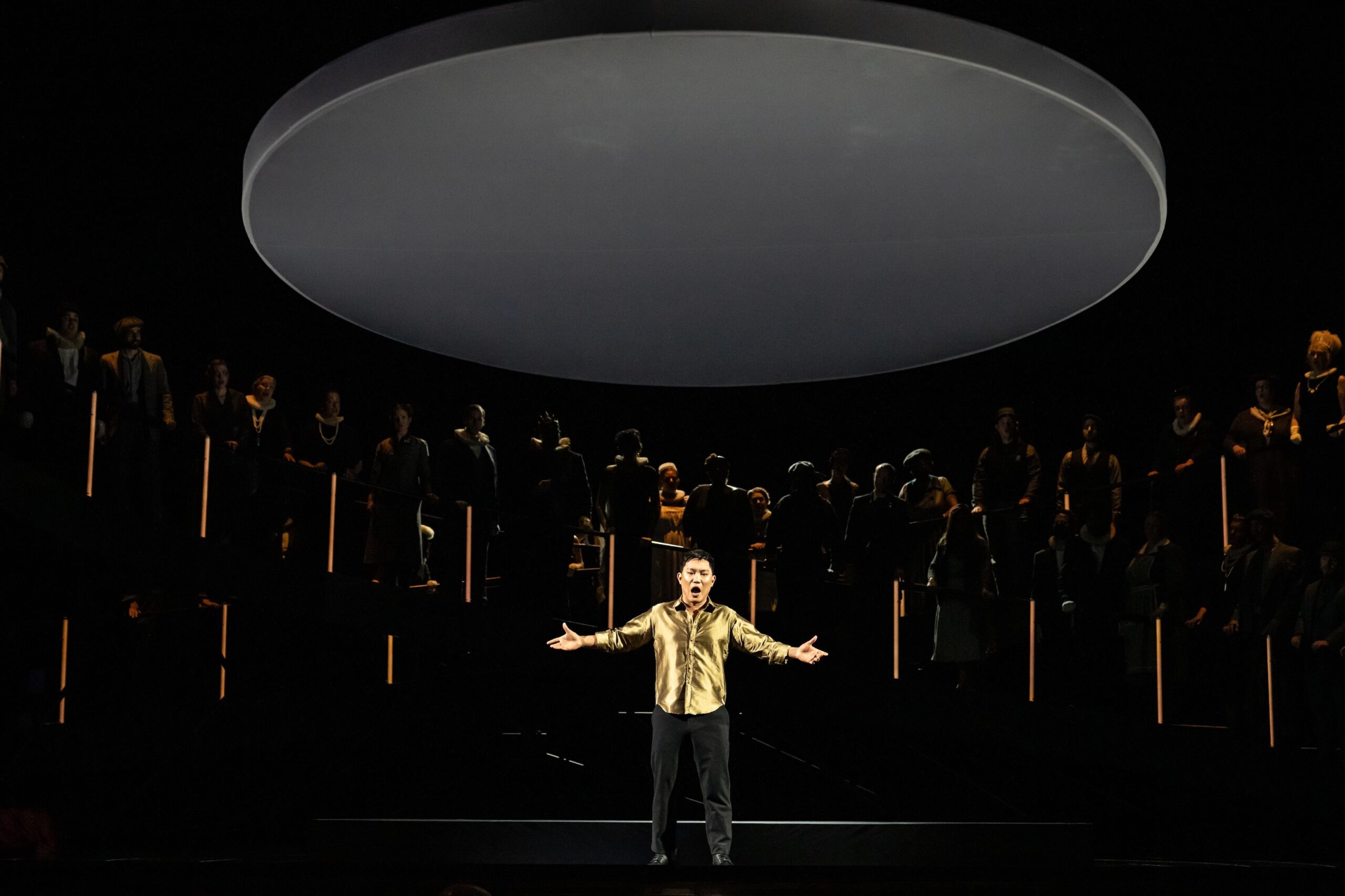
This past weekend, I took a quick day trip out to Philadelphia to catch the final performance of Opera Philadelphia’s world premiere production of Gregory Spears’ new opera Sleepers Awake (HIGHLY RECOMMENDED) at the glorious Academy of Music. Anchored by Spears’ mesmerizing oratorio-like score, the work is in essence an unsettled philosophical retelling of The Sleeping Beauty fairytale, with a not insignificant dollop of the existential terror of the legend of Bluebeard’s Castle thrown in (the opera is largely inspired by the modernist writings of Robert Walser). By channeling early music, minimalism, and romanticism and collapsing them into each other — thereby juxtaposing irony with beauty, often to musically entrancing effect — the composer has conjured a timeless realm, with limited grounding forces, in which universes can be created and dismantled. Much like Saariaho’s Innocence, Spears has created a world in which time doesn’t exists, flinching from moment to moment on a whim (these are manifested in whip-like sounds that immediately flick emotional intentions, often schizophrenically during mid-thought). Director Jenny Koons’ ritualistic staging is simple but elegant, featuring immersive preshow elements that flowed seamlessly into the performance, as if waking reality melting into dream — in effect asking, what is the difference between the two, really? Indeed, wandering the halls prior to curtain time, you’ll spot members of the chorus aimlessly drifting through the halls of the Academy of Music — accompanied by an ominous soundtrack — gradually sleepwalking onto the stage in time for the commencement of the actual performance. As Thorn Rose (i.e., Princess Aurora), British-American soprano Susanne Burgess gives a coolly captivating performance that captures the uncertainty and agnosticism of the character’s fate. As the Stranger (i.e., Prince Désiré), Korean tenor Jonghyun Park is both ardent and confounded in essentially the disruptor role of the tale. Throughout, the chorus plays a central role in the action, their singing dissolving like butter into the orchestral playing, as confidently conducted by Corrado Rovaris.
 Copyright © 2026
Leave a Reply