
VIEWPOINTS – An Andrew Lloyd Webber renaissance: THE JELLICLE BALL and MASQUERADE re-animate warhorse musicals from fresh perspectives
- By drediman
- April 13, 2026
- No Comments
Following Jamie Lloyd’s triumphantly stripped down re-imagining of Sunset Boulevard last season (featuring a knockout, Tony-winning performance by Nicole Scherzinger), the improbable Andrew Lloyd Webber renaissance continues this season with Cats: The Jellicle Ball and Masquerade, ingeniously fresh takes on Cats and The Phantom of the Opera, respectively. Both offer intoxicatingly fresh perspectives that have breathed vibrant new life into these two warhorse musicals. Read on for my further thoughts on the re-emergence of these two very well known musical theater properties.
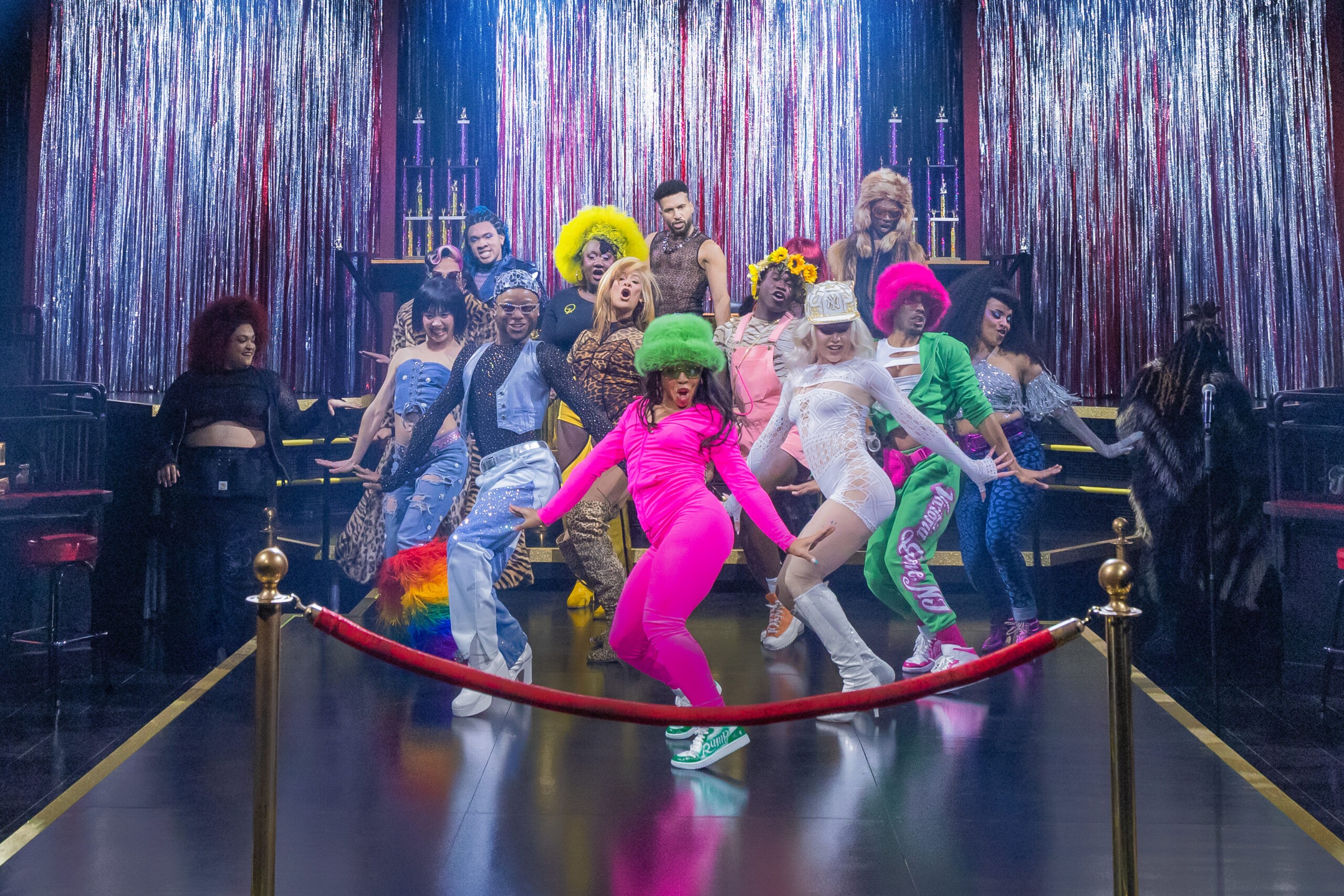
CATS: THE JELLICLE BALL
Broadhurst Theatre
Open run
One of the absolute joys of the season thus far has been Cats: The Jellicle Ball (HIGHLY RECOMMENDED), which has triumphantly transferred to the Great White Way after an acclaimed Off-Broadway run at PAC NYC two years ago. In what has to be one of the most inspired and transcendent reinventions in musical theater history, this ridiculously enjoyable, emotionally potent new “revisal” re-sets the piece at a high-stakes ballroom competition, a once underground scene that was a safe haven for queers — particularly the trans and drag communities — and people of color. So instead of cartoonish singing and dancing cats jovially vying for the chance to be chosen to ascend to cat heaven (!), the show now features human contestants brashly expressing their authentic selves while voguing their way to catwalk glory as if there lives depended upon it. That the reimagining manages to exist harmoniously and unironically on multiple planes — even creating fertile dialogue between them — is a testament to the care and rigor that co-directors Zhailon Levingston and Bill Rauch have put into positioning their production, which equally honors the iconic underlying musical and the historical significance of ballroom culture. The new setting injects immediacy and authenticity into the proceedings, particularly with respect to the musical’s depiction of outcasts in pursuit of love, acceptance, and community in a world determined to repress and undermine them. The production’s defiant, subversive energy uncovers an unexpected bounty of humanity — something that I never thought I’d say about the 1983 Tony-winning musical. Structurally and immersively, this is still very much, amazingly, the Cats you know. The most noticeable changes are the newly expanded catwalk competition sequences — complete with driving new club beat orchestrations, as well as Arturo Lyons and Omari Wiles’ electrifying ballroom-inspired choreography — and some incisive shifts in characterizations and tonal delivery. Leading the exuberant company is the great André De Shields, who is giving a silken, cooly commanding performance as Old Deuteronomy. Suffice to say, the rest of the fabulous cast — too many to mention individually here — also put their own boldly distinctive mark on the material.
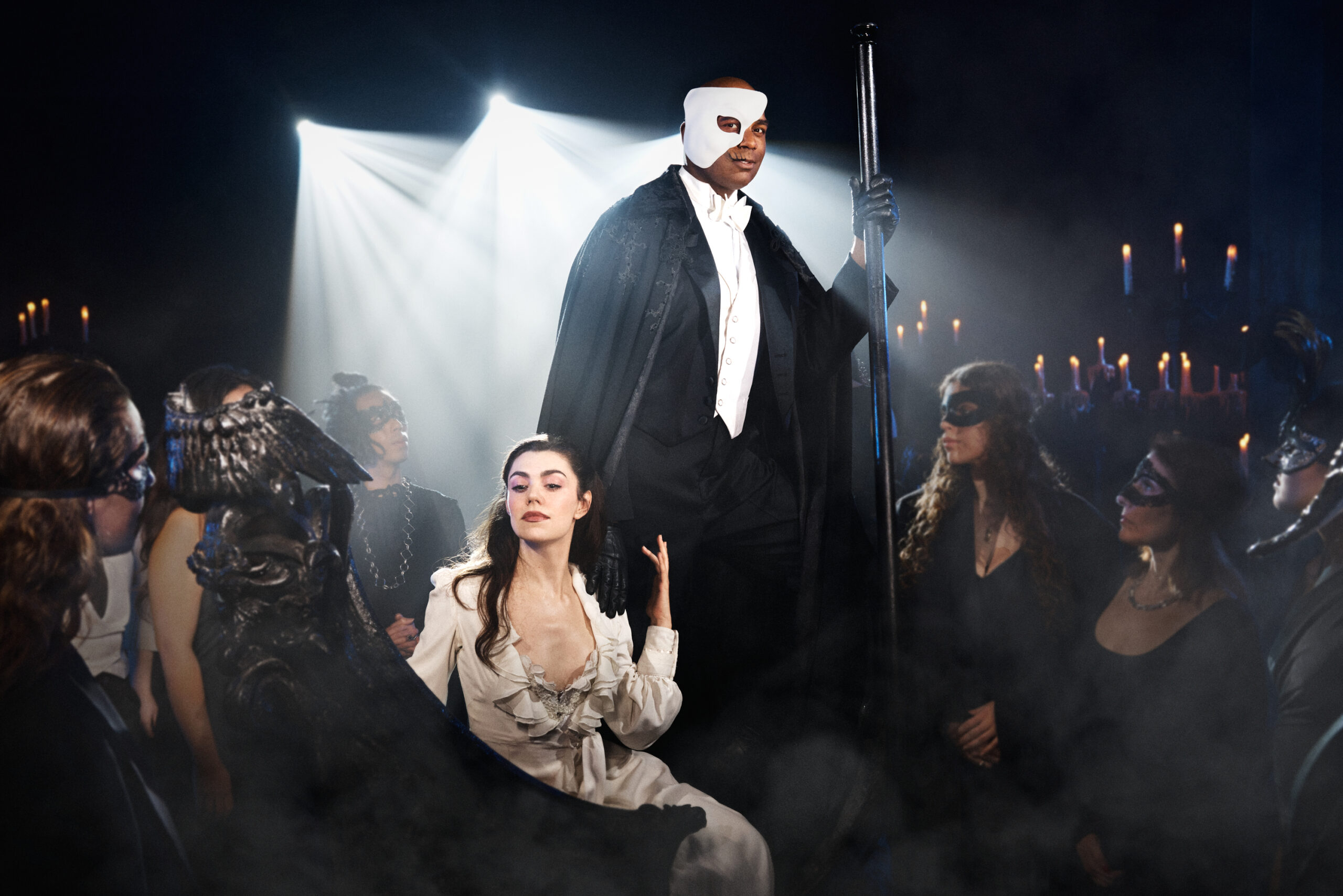
MASQUERADE
218 W. 57th Street
Open run
Ever since Sleep No More at the McKittrick Hotel shuttered a few years ago, there’s been a noticeable lack in large scale immersive theatrical entertainment in New York — until now, that is. Enter Masquerade (HIGHLY RECOMMENDED), director Diane Paulus’s atmospheric second look at Andrew Lloyd Webber’s beloved musical The Phantom of the Opera, which has taken up speakeasy-like residence at the old, boarded-up Lee’s Art Shop on 57th Street (a password must be uttered for admission). In addition to the ambitiously immersive nature of the production — which has the air of a true event — this revised version of the musical is notable for telling the story from the Phantom’s point of view, which audience members get to experience up close and personal, with the actors often times mere inches from your masked face (a requirement to experience the production, in addition to adherence to a strict dress code). Although some scenes have been truncated (thankfully) and re-ordered — e.g., the famous chandelier drop now occurs at the climax of the experience instead of capping off the first act — the most important alteration is the decision to flesh out the Phantom’s backstory (a by product of which is the incorporation of memorable new songs by Lloyd Webber), including his tortured days as part of a freak show, as well as his first introduction to the Paris Opera House. I’m happy to report that these modifications have re-focused the show in empathetically illuminating new ways, giving even the most die hard Phantom fans something new to chew on. Astonishingly, it all runs as smooth as clockwork, with nary a lag in narrative momentum as you’re led from room to room to follow the action (note that, unlike Sleep No More, Masquerade is a guided experience with limited freedom to wander). Indeed, the logistics of operating such an elaborate show — which resourcefully utilizes every crevice of the building — as this one are mind-boggling, and they’re being executed here with the utmost care and precision, taking care that each audience member gets a bespoke perspective from which to take in the well-trodden story. Additionally, with up to six different sets of actors playing the Phantom and Christine on any given night — most with substantial Broadway credits — there’s a terrific re-watchability aspect for guests to indulge in.
 Copyright © 2026
Leave a Reply