
VIEWPOINTS – Dance roundup: THE SARASOTA BALLET champions British choreography at The Joyce, FALL FOR DANCE marches onwards with premieres
- By drediman
- October 3, 2026
- No Comments
New York’s fall dance season continued to ramp up this week with the return of The Sarasota Ballet at The Joyce Theater, as well as the onward march of Fall for Dance at New York City Center (let alone New York City Ballet’s Fall Fashion Gala). As per usual, read on for my thoughts.
THE SARASOTA BALLET
The Joyce Theater
Through October 4
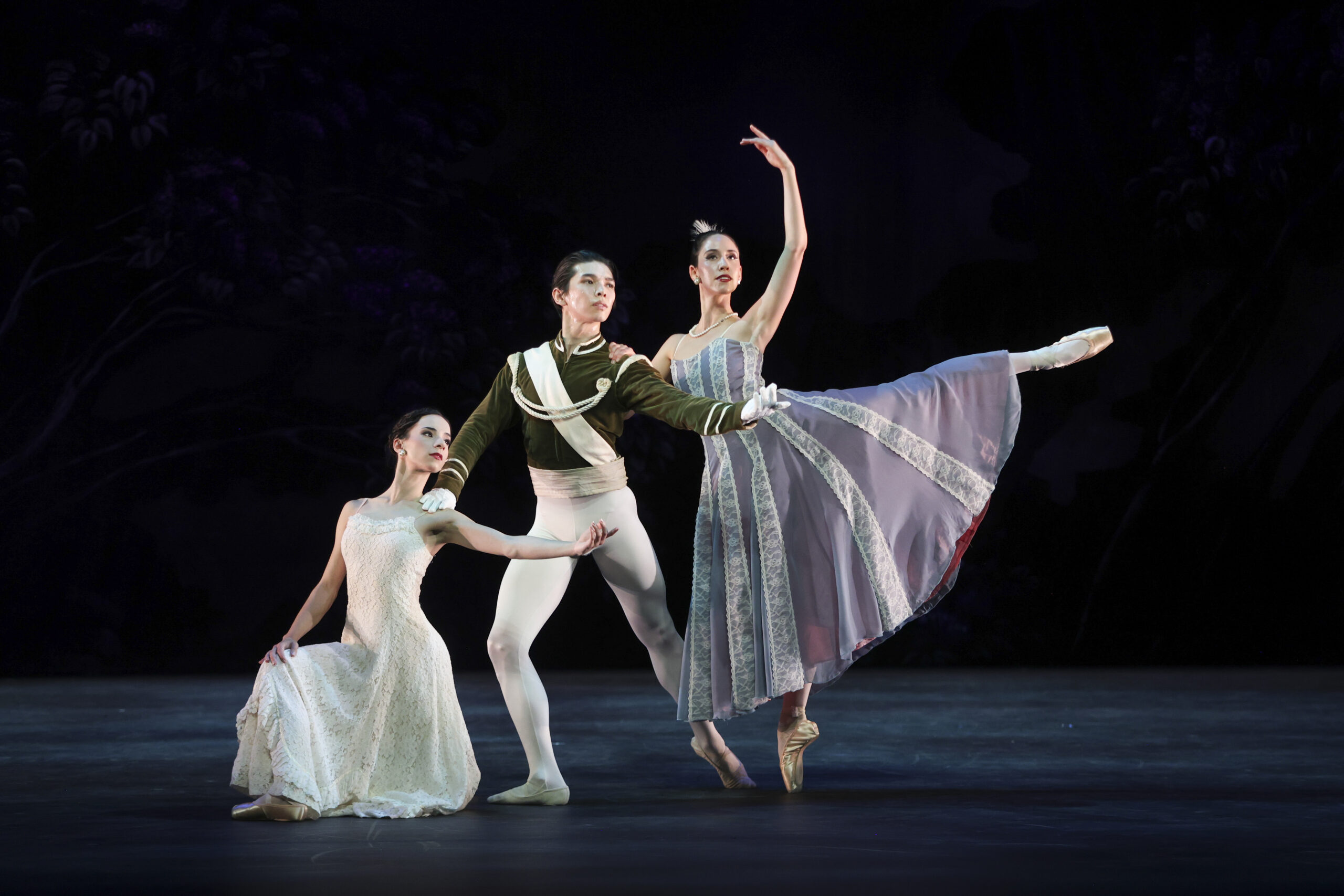
This week, The Sarasota Ballet (RECOMMENDED) returned to New York with a run of performances at The Joyce Theater in Chelsea. The balanced, perfectly lovely program champions three prominent British choreographers — Sir Frederick Ashton, Antony Tudor, and Sir Peter Wright — giving New York audiences the rare opportunity to take in works not seen often seen on our side of the pond. The evening commenced with Tudor’s classic Lilac Garden, which this year celebrates the 90th anniversary of its premiere. Set in a Victorian garden party, the emotionally-charged ballet sets out to depict the psychological journey of a repressed young woman who must navigate her feelings around having to marry a man she does not love, alongside the intensity of her desire for her lover. In the central role of Caroline, Marijana Dominis was exquisite in both her technique and ability to thoughtfully convey the character’s personal crisis. Overall, the performance was polished, presenting Tudor’s progression of tableaus with tasteful refinement. Then came a diverse collection of Ashton divertissements — the company specializes in the Ashton repertoire — highlighting the beloved choreographer’s penchant for clean lines and theatricality. The highlight among these was the culminating Balcony Pas De Deux from Ashton’s rarely-seen version of Romeo and Juliet, which was notable for communicating the lovers’ passion via the ballet’s steps and positions as opposed to through acting/gestural histrionics (which Kenneth MacMillan’s more popular version opts for). Closing out the bill was Peter Wright’s Summertide, an abstract ballet that balanced nicely with the character work that preceded it in the program. Quite simply, the ballet charts — via three movements — a summer day as it progresses from dawn to night. Originally premiering in 1976, the piece is a logical evolution from Ashton’s classicism, incorporating dynamic athleticism into the mix, resulting in a work that’s as much of a technical showcase as it is a vision of painterly expressionism. Thankfully, the well-rehearsed Sarasota Ballet dancers were up to the challenge.
FALL FOR DANCE: PROGRAMS THREE & FOUR
New York City Center
The festival concludes on October 3
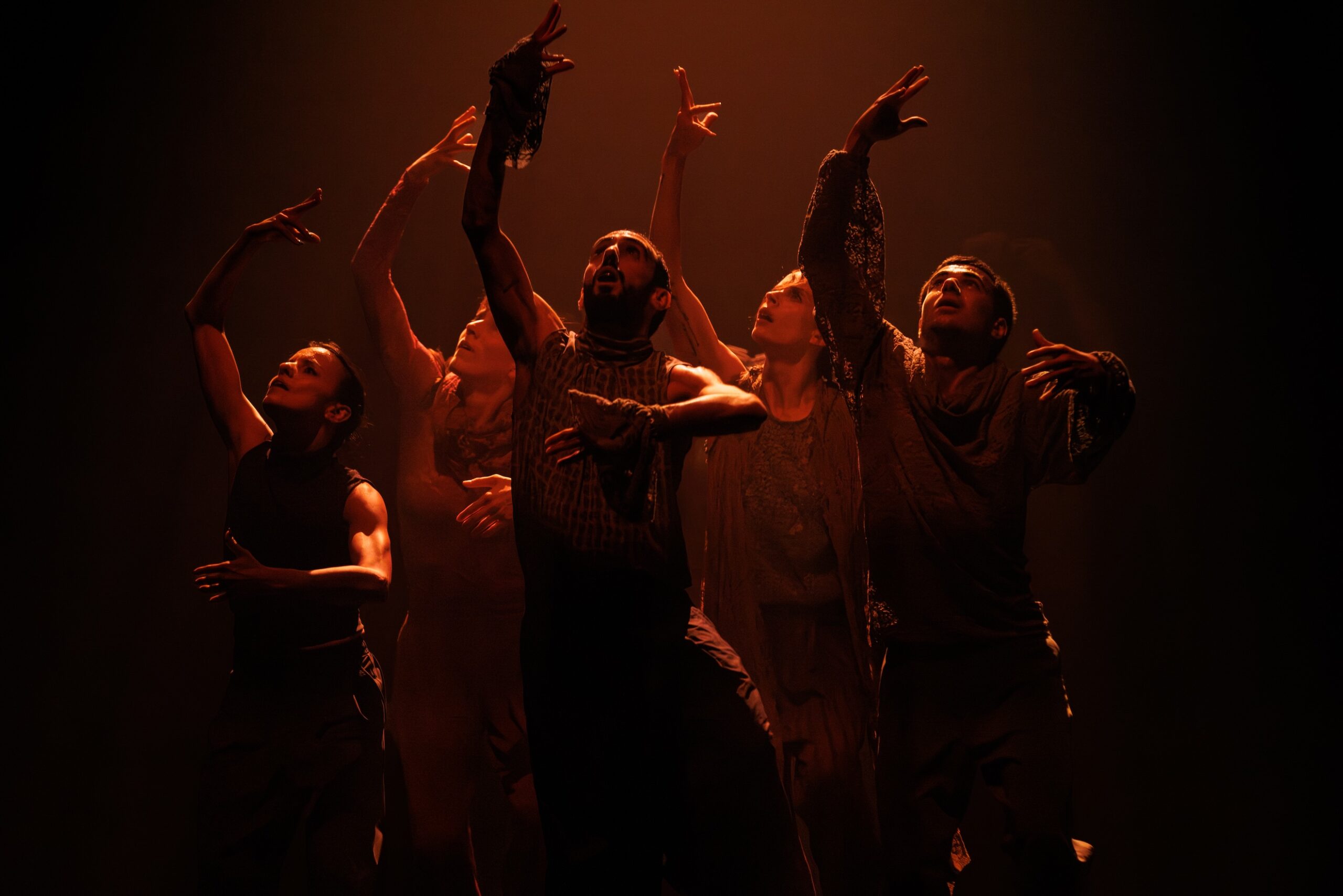
Over at New York City Center, Fall for Dance continued on with Program Three and Program Four of the festival. Program Three (RECOMMENDED) kicked things off energetically with a bit of flamenco (Bulería de la Molía) courtesy of Spain’s Juan Tomás de la Molía, which proved to be a crowd-pleasing opener. Then came perhaps the most controversial offering of the evening, Lior Tavori Dance Company’s US premiere of Crust. Choreographer Lior Tavori’s movement vocabulary is certainly interesting, taking its inspiration — as many Israeli companies do — from the Batsheva Dance Company aesthetic (i.e., the Ohad Naharin school). Although not everything about the piece gelled (it also went on for a tad too long), its sophisticated visual imagery and political mindedness has stuck in my mind. Making the whole program click, however, was the closer — another US premiere — The Royal Ballet’s performance of Loughlan Prior’s Paganini – The First Virtuoso, an inspired, stylized, often humorous portrait of composer and musician Niccolò Paganini. Headlined by dancer Steven McRae and violinist Vasko Vassilev, it also benefited from the divine contributions of Royal Ballet star ballerina Sarah Lamb and game pianist Pamela Tan Nicholson (all four, in playful costuming, portrayed variations of Paganini). An intoxicating, smashingly entertaining melding of tap, contemporary dance, concert, and video/art installation, it was an altogether sensational conclusion to an otherwise uneven bill. Program Four (RECOMMENDED) opened with San Francisco Ballet’s primal and gorgeously pliable Jacey Gailliard and Wei Wang in Faun, Sidi Larbi Cherkaoui’s sensual and animalistic take on Debussy’s Afternoon of a Faun. Then came ECHO:SOG, a world premiere solo by The Stuttgart Ballet’s Friedmann Vogel and Thomas Lempertz. As danced by Vogel, the piece exuded an appealingly improvised quality that brought a loose-limbed freedom and modernity to the Bach piano score (played live by pianist Abram Korsunsky). The bill ended with the US premiere of Any way the wind blows by Gauthier Dance//Dance Company Theaterhaus Stuttgart. It’s one of Hofesh Shechter’s more compelling recent ensemble works, exuding a refreshing casualness and a relaxed vibe, without sacrificing any of the rhythmic rigor for which the sought after choreographer is known.
 Copyright © 2026
Leave a Reply