
VIEWPOINTS – Company premieres and well-worn classics: An assessment of AMERICAN BALLET THEATRE’s eclectic fall season
- By drediman
- November 2, 2026
- No Comments
This past weekend, American Ballet Theatre concluded its fall season at the David H. Koch Theater at Lincoln Center. For two weeks, the company turned out three bespoke, eclectic programs that basked in a combination of premieres and well-worn warhorses. In terms of the premieres, Ballet Theatre programmed more intimate, stylized pieces, leaving the true spectacle to the tried-and-true classics.
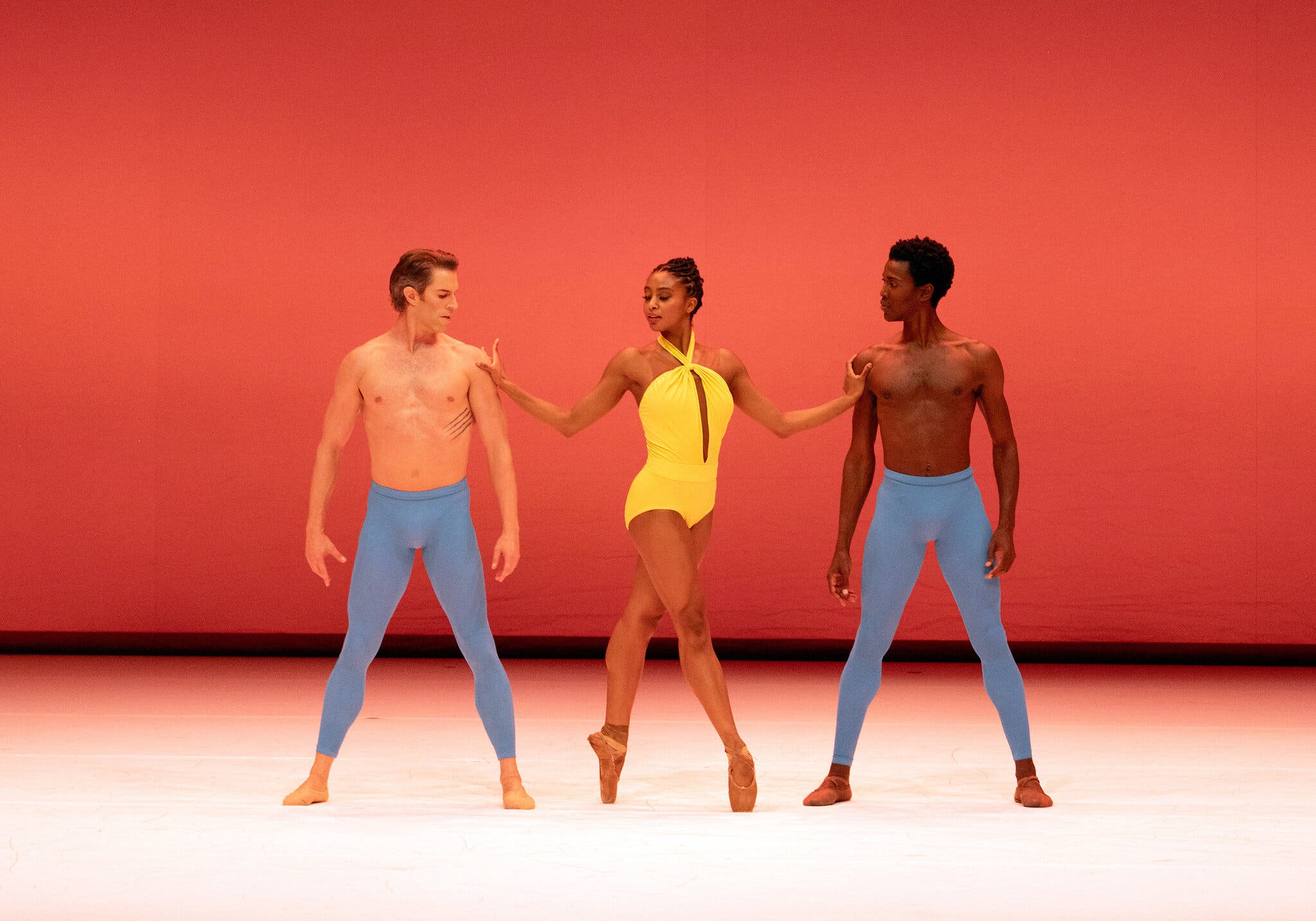
First up among the company premieres was Helen Pickett’s Petal, a bright, clean-lined piece for eight dancers. Set to recorded music by composers Thomas Montgomery Newman and Philip Glass (why no live music?), the piece demonstrates a non-fussy neoclassicism to which the ensemble responded with crispness and clarity. It’s a coolly unmemorable opening palette cleanser, which is luckily where it was placed in the program. Another company premiere was Jae Man Joo’s 2012 solo Flight, which has been repurposed as a vehicle for celebrated principal Herman Cornejo. Suffice to say, it was an unabashed, albeit throw-away lovefest for one of Ballet Theatre’s biggest superstars (catch Cornejo while you can; he’s slated to retire from the company’s ranks during the upcoming summer season). Then there was Brady Farrar’s Trio Élégiaque. At only 21-years-old, Farrar, who is a member of the corps, is the youngest choreographer to be commissioned to create a new work for Ballet Theatre. His Rachmaninoff-set piece is a sturdy brew of aching, instinctual romanticism — at times, I was reminded somewhat of the works of MacMillan — although it could have benefitted from some tonal shifts to give it more emotional variety beyond its single brooding note. Despite having been designed for a small ensemble of six dancers, there were standouts — the sensational Catherine Hurlin was sterling in both style and technique, while recently-promoted principal Jarod Curley is looking increasingly like the company’s next generation David Hallberg. Although not technically a premiere, the company also brought back Kyle Abraham’s Mercurial Son, which debuted with the company in 2024. Not nearly as moody as Abraham’s other recent endeavors, the work is driven by exhilarating pure movement. As such, it’s one of the choreographer’s more accessible works to date (its first half reminded me of a more interesting, nuanced version of William Forsythe’s crowd-pleasung The Barre Project). It’s a keeper.
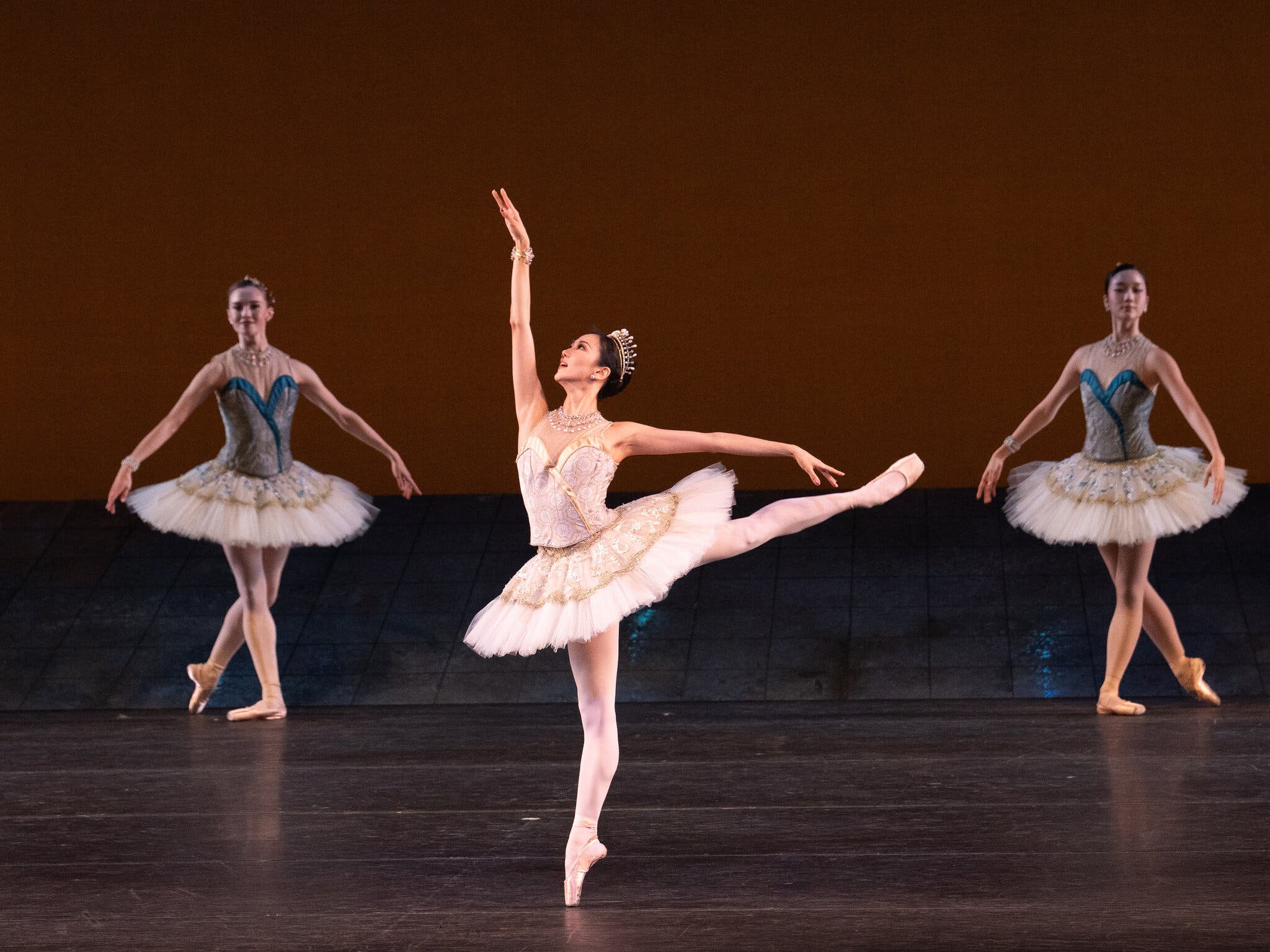
Anchoring the classics were a trio of works by two pillars of neoclassical ballet, Frederick Ashton and George Balanchine. The former was represented by Birthday Offerings (1956) and The Dream (1964), two works of terrific choreographic imagination and character, together representing a dance-maker at the peak of their power. Set to sparkling music by Alexander Glazunov, Birthday Offerings — which this year celebrates its 70th anniversary — was a complete delight, and in particular, a spectacular showcase for the company’s female dancers. The centerpiece of the ballet is its seven solo variations — packed with difficulty and idiosyncratic flourishes — which were handled with aplomb and distinction by the company’s impressively deep bench of ballerinas. Although not the most flexible of dancers, principal Devon Teuscher led the way with a stylish, mature, and musically astute performance that captivated (this fall season, she also shined brightly in Natalia Makarova’s staging of Petipa’s Paquita). In the central pas de deux, Teuscher was joined by Joo Won Ahn, whose billowy jumps and openness beautifully complimented her more coiled and detailed dancing. Then there was The Dream, Ashton’s beloved one act story ballet adaptation of Shakespeare’s A Midsummer Night’s Dream (which was also famously turned into a ballet by Balanchine and is danced with great frequency on the very same stage by New York City Ballet). On the afternoon I attended, the performance belonged to soloist Takumi Miyake’s Puck. With jumps that hovered with astonishing suspension, and the quick-twitched ability to skip across the stage with the precision of a darting skipping stone, Miyake is an up-and-coming virtuoso definitely worth keeping an eye out for (although in my mind, he’s already a bona fide star of the company). Always the sweeping affair, Balanchine’s Ballet Imperial — a more technically demanding iteration of Theme and Variation, also set to the music of Tchakovksy — was also wonderfully conveyed, featuring a joyously extended and open-hearted performance by principal SunMi Park (also worth mentioning was Skylar Brandt in a similarly ebullient turn).
RECOMMENDED
AMERICAN BALLET THEATRE
Dance
David H. Koch Theater
Each program approximately 2 hours (including intermissions)
Fall season concluded
 Copyright © 2026
Leave a Reply