
VIEWPOINTS – Dance roundup: FALL FOR DANCE saves its best for last, assessing NEW YORK CITY BALLET’s fall premieres
- By drediman
- October 5, 2026
- No Comments
This past weekend, Fall for Dance wrapped up its 2026 run at New York City Center, saving its best for last. Also catching the attention of dance fans in recent days were a pair of premieres from New York City Ballet, both of which were commissioned to anchor the company’s annual Fall Fashion Gala last week. Here are my thoughts.
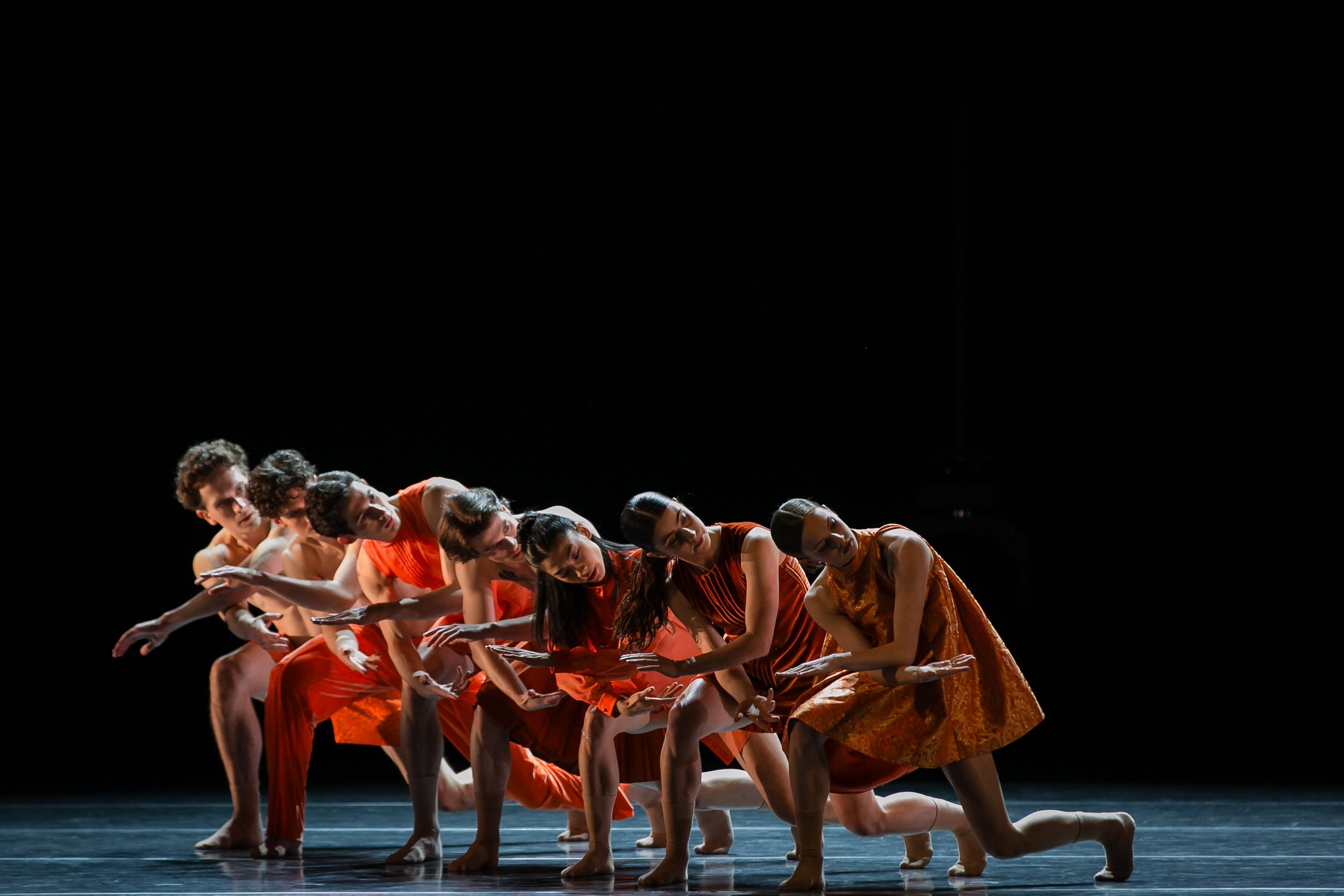
FALL FOR DANCE: PROGRAM FIVE
New York City Center
On Saturday night, the 2026 edition of Fall for Dance came to a close with a program (HIGHLY RECOMMENDED) that highlighted the enduring appeal of the eclectic, populist dance festival. First up for the evening was Pony Cam’s kinda like that, an inspired world premiere commission that attempted to reference the more than 450 works that have been performed on City Center’s stage over the course of Fall for Dance’s previous 22 iterations. Although the folks at Pony Cam are not traditionally trained dancers — these five performers are known more for their fearless avant-garde physical theater shenanigans (e.g., their recent Off-Broadway hit Burnout Paradise) — their dizzying amalgamation of choreographic nods turned out to be a thrilling and joyously chaotic affair, in turn tongue-in-cheek and valiant (of the latter variety was the ensemble’s game attempt at recreating one of the iconic sequences of Ohad Naharin’s 1999 Minus 16). Judging from the audience’s gleeful reaction throughout, this audacious risk hit the bullseye. In welcome contrast, the following two pieces snapped the bill firmly back into pure dance mode, starting with Miami City Ballet, who performed the New York premiere of Alexei Ratmansky’s pastoral ballet Roses from the South: Three Waltzes for Toby. Evocative of both the natural world and human harmony, the alluring work — with its lilting turns and falls and cushiony dynamism — seemed an evolution of the choreographer’s “Waltz of the Flowers” from his underrated production of The Nutcracker for American Ballet Theatre. Even more of a contrast was the evening’s closer, the US premiere of Stephanie Lake’s Seven Days, which was superbly danced by The Australian Ballet (the company will be staying put at City Center to unveil Christopher Wheeldon’s full-length Oscar this week). Precise and rhythmic — yet seething with a sense of abandon — the piece shined both in the sparkling individuality of its dancers and the impeccable tightness of the company’s ensemble work.
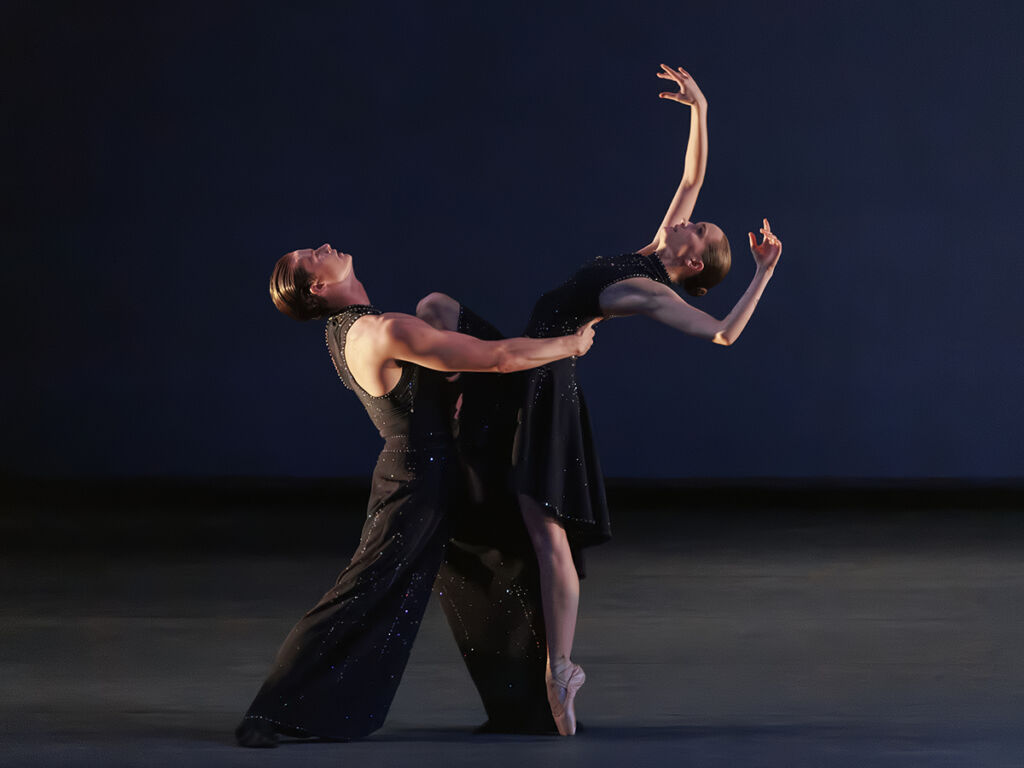
NEW YORK CITY BALLET: CONTEMPORARY CHOREOGRAPHY I
David H. Koch Theater
Over at the David H. Koch Theater at Lincoln Center, New York City Ballet continued its fall season with a Contemporary Choreography bill (RECOMMENDED), this one comprised of the return of established works by Justin Peck and Kyle Abraham, as well as world premieres by Jennifer Archibald and Alysa Pires (both pieces were unveiled during the company’s Fall Fashion Gala last Thursday). Let’s start with the former pairing. Pires made an auspicious choreographic debut at City Ballet with Standard Deviation back in 2023. Her follow-up, Auspicy, is a curious creation, burdened with heavy-handed imagery that managed to eclipse the choreographic invention of the piece. Thematically, things were also muddled from the get-go. Purportedly contemplating the fraught experience of motherhood in our uncertain contemporary times, the dance’s concerns were unfortunately underserved by Jocelyn Morlock’s ambient, distractingly subdued score, as well as fashion designer Victor&Rolf’s form-fitting gold costumes (and one egregious act of spelled-out messaging). The opposite is true for Archibald’s Shared Rain, which in my mind registered purely on an aesthetic level — often times thrillingly so, especially during its climactic bursts. That the piece was also a commentary on climate change wasn’t so apparent in its costuming (the creation of Robert Wun) and scoring (a mixed-tape concoction by Archibald), although the notion of rain and flowing water were clearly conveyed. Luckily, both premieres were danced with discipline and style. Also luckily, the uneven new works were bookended by two company keepers, Peck’s Pulcinella Variations and Abraham’s Love Letter (on shuffle). The former opened the program with lightness, speed, and verve, while the gestural poetry of the latter created a captivating, moody vibe — thanks largely to the artistry of originating dancer Taylor Stanley, whose numbered performances with City Ballet I am savoring — an exultant exhalation to send us on our way.
 Copyright © 2026
Leave a Reply