
VIEWPOINTS – Sublimely symphonic: CHICAGO SYMPHONY ORCHESTRA and VIENNA PHILHARMONIC play Carnegie Hall
- By drediman
- March 2, 2026
- No Comments
Last week, Carnegie Hall was alive with sublime symphonic music-making courtesy of two of the world’s most renowned orchestras, the Chicago Symphony Orchestra and the Vienna Philharmonic. As always, read on for my thoughts on these recent performances from these storied ensembles.
CHICAGO SYMPHONY ORCHESTRA
Carnegie Hall
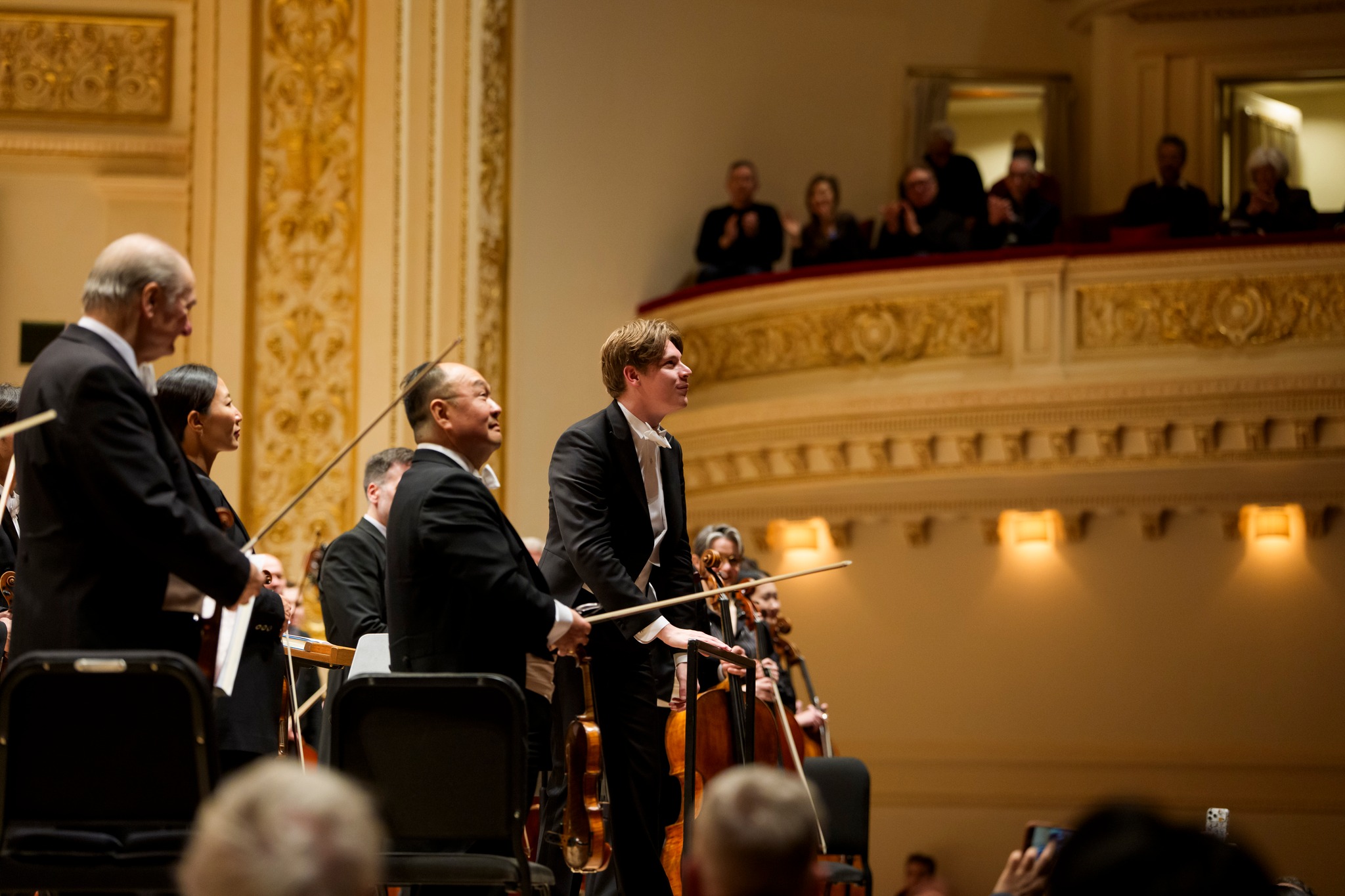
For one-night-only, the mighty Chicago Symphony Orchestra (HIGHLY RECOMMENDED) played Carnegie hall, previewing its hotly anticipated incoming music director Klaus Mäkelä. With his official appointment (replacing the great Riccardo Muti, who will remain connected to the orchestra in emeritus status), the 30-year-old phenom will become the youngest conductor to hold the coveted title in the ensemble’s history. In short, his vibrant, highly sculpted renditions of Sibelius’s rarely-heard Lemminkäinen and Strauss’s Ein Heldenleben — a fascinating pairing depicting the lives of two heroes — was indicative of great things to come. In the rarely-heard complete Sibelius suite (comprised of “Lemminkäinen and the Maidens of Saari” and “The Swan of Tuonela”), the young maestro took his time assembling the sonic imagery of the the hero’s tale (based on the Finnish epic Kalevala) without sacrificing the lyrical beauty of the score. Once all the musical elements were in place, Mäkelä guided a tastefully cinematic journey for the work’s namesake hero. Suffice to say, the Chicago forces responded magnificently with playing that was at once balanced and captivating — and truly, that brass section is the chef’s kiss, weaving in and out like butter through Sibelius’s overall symphonic construction. That level of fine articulation and artistry continued with the evening’s more recognizable work, Strauss’s Ein Heldenleben, wherein the composer has cast himself in the role of the hero (there are various “autobiographical” references to Strauss’s earlier works throughout). Mäkelä is well-suited to such tone poem formats, given his gift for textural detailing and ability to supply shape more amorphous musical tapestries. Such mastery and control were in full evidence during the Strauss performance on Friday.
VIENNA PHILHARMONIC
Carnegie Hall
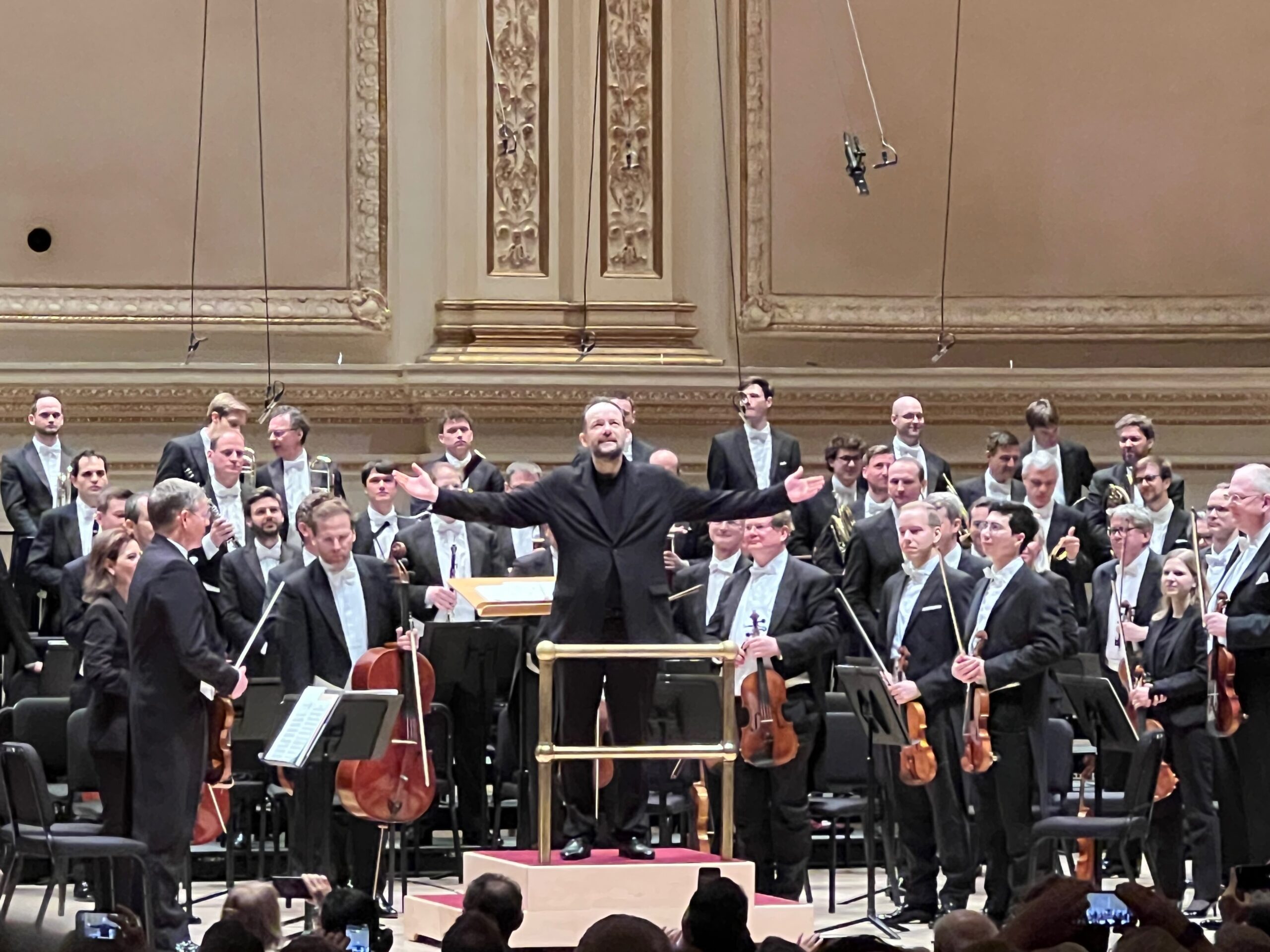
Over the weekend, the great Vienna Philharmonic (RECOMMENDED) returned to New York with three distinct programs at Carnegie Hall (the beloved concert hall has historically been the ensemble’s venue of choice when visiting the city). Led by Boston Symphony Orchestra’s Andris Nelsons, the storied orchestra commenced with a luscious performance of Bartók’s Piano Concerto No. 3. The featured soloist on Friday night was formidable superstar pianist Lang Lang, who was in commanding form. For a Bartók piece, the composer’s third concerto is a relatively lyrical and gentle piece. Although some may find the composition lacking in the musical excitement of his other works — which tend to be denser and experiment more boldly with rhythm and orchestral color — the Vienna forces brought it to life with the rich expressiveness of their playing, whether in Hungarian folk mode or a more pastoral frame of mind. Lang was brilliant throughout, playing with technical brilliance, while infusing his performance with just the right amount of theatrical flair. The Vienna’s playing is particularly well-suited for the lush compositions of Mahler. Unsurprisingly, the orchestra shimmered in its beautifully balanced rendition of Mahler Symphony No. 1, which is one of the composer’s more approachable works, with its more digestible musical and philosophical theming. The symphony’s contrasting of lightness and darkness was portrayed with drama and purposeful intensity via the orchestra’s unmistakable sound, most notably the strings’ luxurious textures and the brightness of the woodwinds. At times it almost seemed as if the ensemble was playing itself (famously, the Vienna Philharmonic does not have a designated music director) — indeed, Nelsons appeared occasionally to merely chaperone the players, recalibrating the ensemble when quality control was needed.
 Copyright © 2026
Leave a Reply