
VIEWPOINTS – Sadler’s Wells in New York: Hofesh Shechter’s THEATRE OF DREAMS and the late Paul Roberts’ QUADROPHENIA, A ROCK BALLET
- By drediman
- November 16, 2025
- No Comments
This week saw the arrival of a pair of full length dance pieces with origins from across the pond, namely the prolific dance presenter that is Sadler’s Wells in London. As usual read on below for my thoughts on these two notable dance imports.
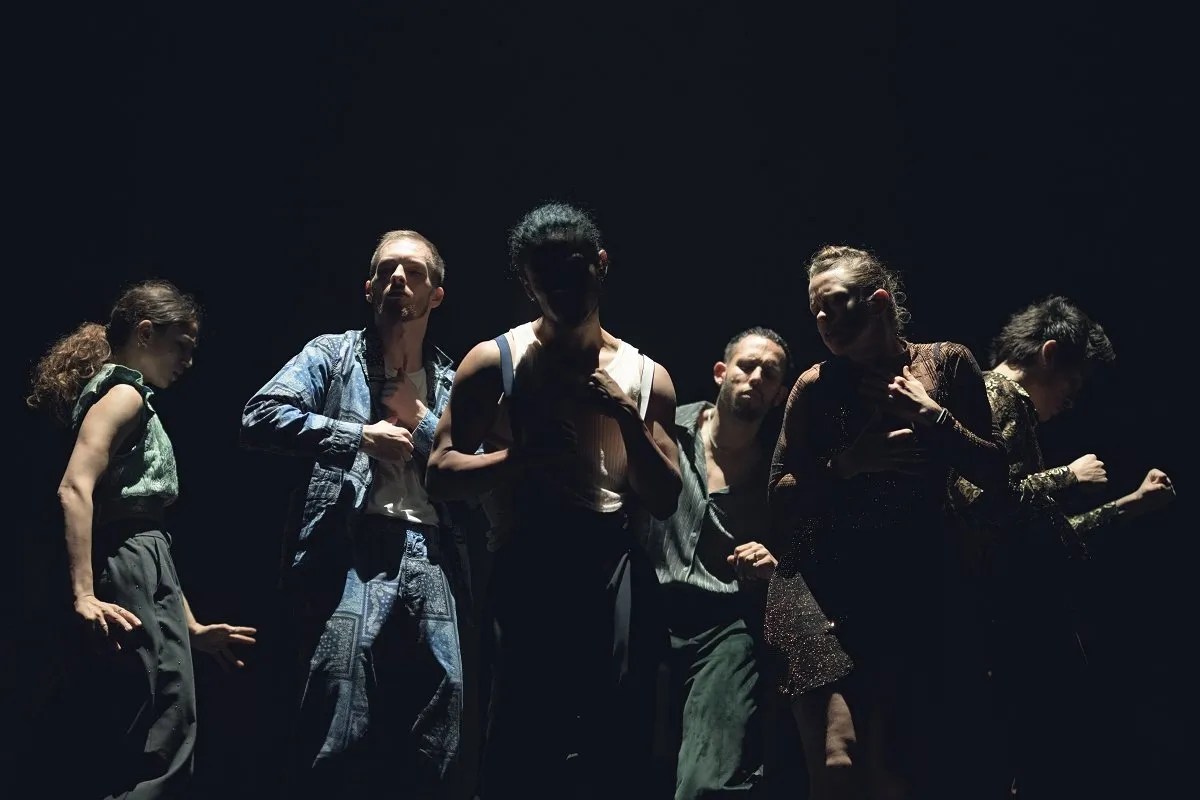
THEATRE OF DREAMS
Powerhouse: International
Through November 16
After being somewhat underwhelmed by some of Hofesh Shechter recent output — e.g., I had mixed feelings about Paris Opera Ballet’s performance of his stylish but empty Red Carpet at City Center — I was pleasantly surprised to find myself captivated by the star Israeli choreographer’s Theatre of Dreams (HIGHLY RECOMMENDED), which is currently being presented by the new Powerhouse: International arts festival in Brooklyn. A co-commission by Sadler’s Wells and other international institutions, the piece attempts to recreate the dream state through an intoxicating combination of dance, physical theater, music, and lighting. The end result creates the breathtaking illusion of walking into a labyrinth of fragmented dreams. Mining the subconscious and the dark corners of the mind, these hallucinatory visions tend to veer into nightmarish territories, as evoked by unsettlingly grotesque, phantasmagorical dreamscapes that are often assaultive and demand total immersion from its viewers. The epitome of a fever dream, Theatre of Dreams is made up of a dizzying onslaught of fleeting, often overlapping stage pictures, accomplished merely through the constant manual manipulation of mobile curtains, complex blocking, and the stupendous noir lighting design by Tom Visser. Shechter’s choreography is influenced as much by his time with Ohad Naharin’s Batsheva Dance Company and the influence of Pina Bausch, as it is by folk dancing and the nightclub scene. There’s also a good dose of physical theater craft thrown in (think cinematic spectacles like Fuerza Bruta), including some ice breaking audience participation that comes as a welcome respite in the middle of the aggressive 90-minute performance (reminiscent of Naharin’s Minus 16). The tireless and explosive Hofesh Shechter Company dancers are phenomenal, performing with both precision and unfiltered expressivenese as they fully lose themselves in Shechter’s sensual soundscape — a blend of throbbing, brooding electronic music and thrillingly played live music.
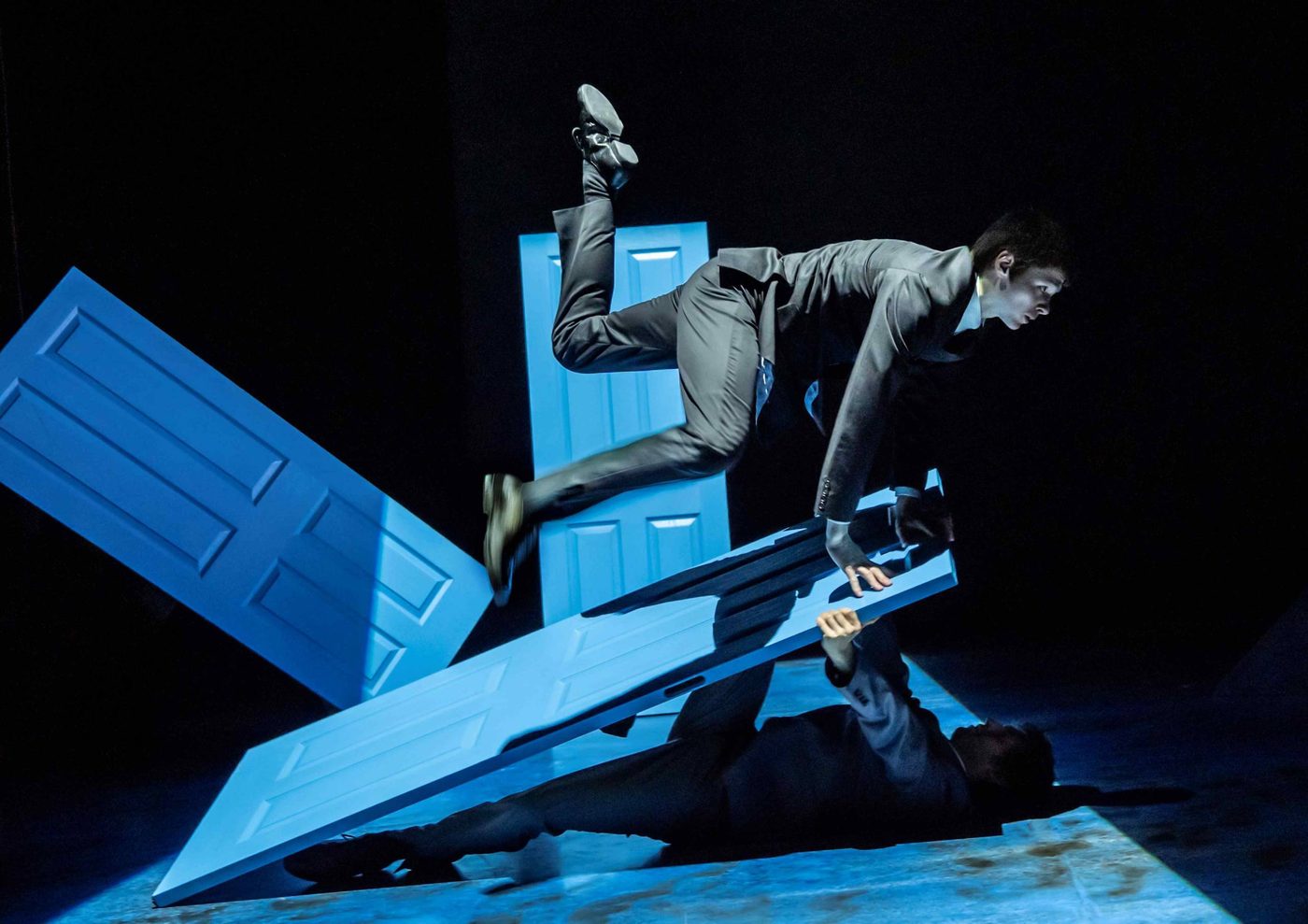
QUADROPHENIA, A ROCK BALLET
New York City Center
Through November 16
Then there’s Quadrophenia, A Rock Ballet (RECOMMENDED), the dance adaptation of The Who’s seminal 1973 rock opera, which this weekend has taken up brief residence at New York City Center. The two-act ballet is the creation of the late Paul Roberts, an up-and-coming choreographer who just recently passed away after a bout with cancer. The staging has been additionally shaped by Director Rob Ashford, who is primarily known for his work in musical theater. Given that the production is referred to in its title as a “rock ballet”, it’s ironic that the creative team has chosen to use a symphonic instrumental version of Pete Townsend’s iconic songs. The re-conceptualized score is the work of composer Rachel Fuller, whose Classic Quadrophenia album provides most of the material for the ballet’s recorded soundtrack. The decision lends a more poetically introspective and cinematic texture to the story of Jimmy, a lost British youth looking for the meaning of life in all the wrong places, most notoriously getting involved in hooliganism, culminating in an epic “rumble” in Brighton. In my opinion, the choice also drains much of Quadrophenia of swagger and a real sense of danger. A more exciting dance adaptation would have leaned in on The Who’s rock extravagance. Ideally, this would involve the contributions of a punchy live band, which did wonders for Twyla Tharp’s exceptional 2002 jukebox “dansical” Movin’ Out. That being said, the production at City Center does more than a serviceable job of translating Townsend’s loose narrative into dance theater, complete with the addition of back stories that more fully flesh out some of the characters (e.g., Jimmy’s father, played by West End star Adam Garcia). The production also looks fantastic, thanks to Christopher Oram’s efficient and sylish sets — enhanced by dynamic video projections — as well as Paul Smith’s period costumes (which nail the Mod fashion look). By and large, the performances by the mostly British cast — a notable exception being City Ballet’s Harrison Coll, who continues to be typecast as a feuding youth — are committed to the choreographic storytelling, led Paris Fitzpatrick’s authentically affecting turn in the central role of Jimmy.
 Copyright © 2026
Leave a Reply